Roofing work in La Mirada
Eight kinds of job, one form. The answers decide which contractors see your request — a flat-roof crew and a tile crew are not the same trade.
Join the La Mirada list
No company gets your details until you say yes to it by name.
You are on the list.
No provider in La Mirada is taking requests through this service yet. We are lining them up, and yours is kept until one can.
- Nobody gets your details yet. Your request stays with us and is not passed to any company.
- One email when someone can help. When a provider covering your area can take it on, we email you once and ask whether you want that company, by name, to contact you.
- Deleted after 90 days. If nobody can take it on, or you do not say yes, your contact details are deleted 90 days after your request.
- You decide, or you do not. There is nothing to cancel and nothing to pay us.
Nobody will call you about this request unless you say yes to a company by name.
The La Mirada roof problem, specifically
Houses sit on more land than they would in a city, which usually means more roof area per house than the averages assume. At around 16 miles inland, the coast still sets the weather even if the salt is milder. Roughly 46,367 people, 15 square miles, and one county line: that is La Mirada.
What actually takes roofs out here is the autumn offshore winds, which find anything already loose. Dry offshore wind lifts material that damp coastal air had been holding down. Most wind losses here happen on a handful of nights a year.
The second problem is morning fog that sits on the roof until mid-morning. Slopes that never get direct sun stay wet for hours after the fog burns off, and that is where moss, lifted shingles and soft decking start.
It is worth asking any contractor to explain how they handle it — the answer separates the people who work here from the people passing through.
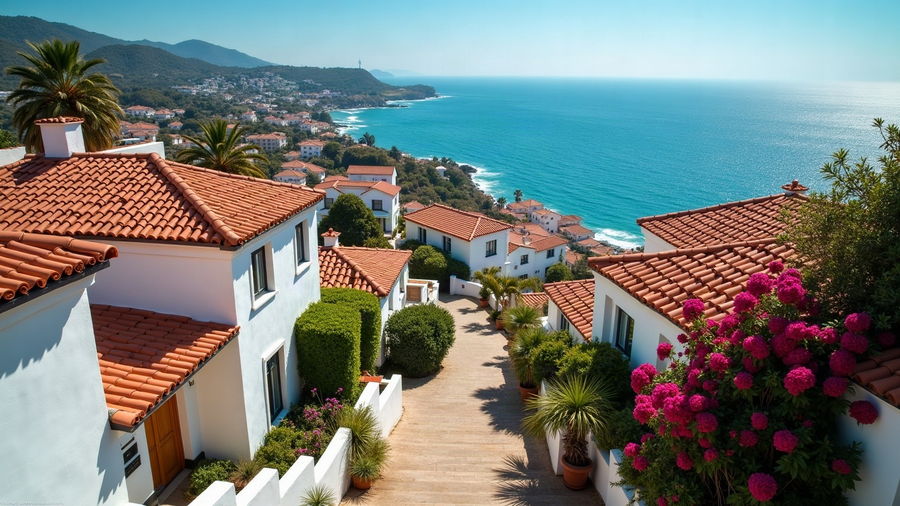
Illustrative photographs of roofing work in general. Not photographs of jobs arranged through this site.
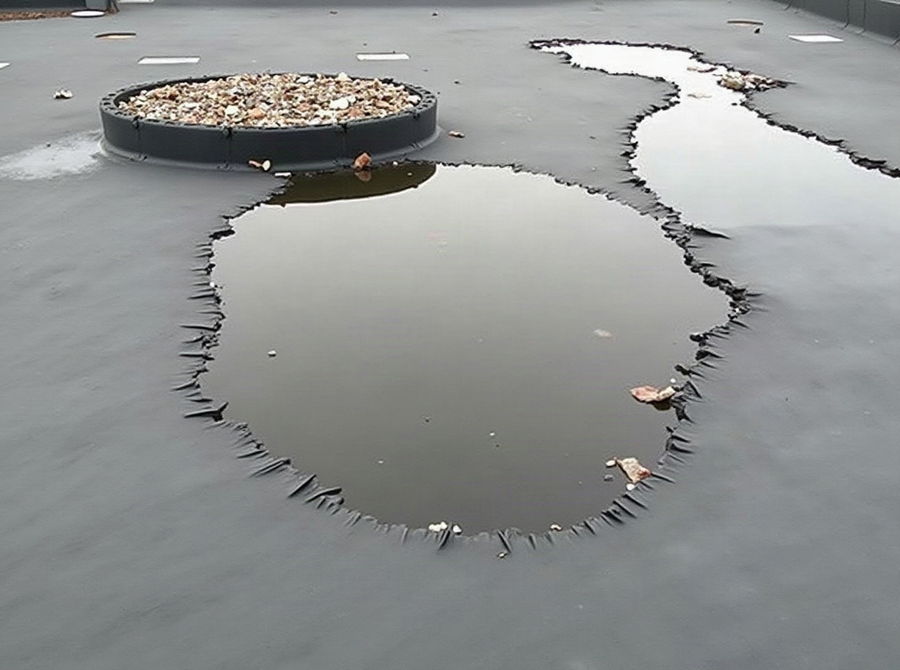
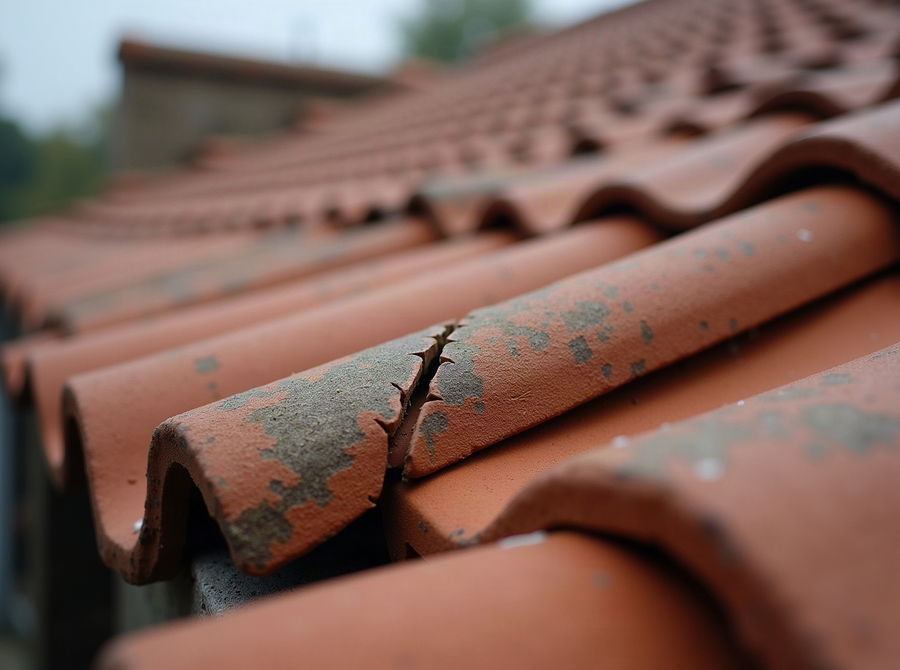
Illustrative photographs of roofing work in general. Not photographs of jobs arranged through this site.
Offshore wind events
Dry offshore wind lifts material that damp coastal air had been holding down. Most wind losses here happen on a handful of nights a year.
Marine layer damp and slow drying
Slopes that never get direct sun stay wet for hours after the fog burns off, and that is where moss, lifted shingles and soft decking start.
Ember and wildfire exposure
Class A assemblies and closed-off vents matter more here than the colour of the shingle.
Get the roof looked at
Free, no obligation, and your details go to no company until you say yes.